Ductwork is the hidden delivery system of a forced-air home, and in Albuquerque it deserves periodic attention. A sound duct system is tightly connected, sealed at every seam, insulated where it passes through hot attics or crawl spaces, and sized to match the equipment. Inspection reveals where conditioned air is escaping, sealing fixes most leaks at modest cost, and replacement becomes the sensible choice only when ducts are crushed, damaged, contaminated, or poorly designed. Understanding each step helps you spend money where it actually improves comfort and lowers energy bills.
The clues usually show up in daily comfort before anyone looks inside a duct. Rooms at the far end of the house that never quite reach the thermostat setting, a bedroom that stays warm while the living room is cold, or energy bills that creep upward without a change in habits all point toward lost air. Whistling or rattling near vents, and airflow that feels weak at some registers but strong at others, are also common signs of disconnected or torn runs.
Visible inspection helps next. In accessible attics, crawl spaces, and garages, look for sections that have pulled apart at joints, sagging flexible duct, insulation that is torn or missing, and dark streaks of dust around seams, which often mark where air is escaping. Old cloth-backed duct tape that has dried, cracked, and peeled is a frequent culprit in older Albuquerque homes. Excess dust throughout the house can also suggest that return ducts are pulling in unfiltered air from wall cavities or attic spaces.
Visual checks only go so far, because many leaks hide behind drywall or insulation. A technician can perform a duct leakage test, pressurizing the system and measuring how much air escapes, or use a smoke pencil to trace leaks at joints. Because dry air and dust are constant here, even small gaps can pull grit into the system. A test gives you a number to compare before and after any repair, which turns a vague suspicion into a clear plan.
Our climate puts real demands on ducts. Summer attic temperatures can climb far above the outdoor air temperature, and winter nights drop below freezing. When supply ducts run through those unconditioned spaces, every leak sends treated air outside the living area, and every gap in a return pulls in hot, dusty air. The equipment then runs longer to make up the difference, which shortens its life and raises operating costs.
Many homes here use refrigerated air in summer and gas furnaces in winter, sometimes with evaporative coolers in older houses. Each setup depends on ducts delivering air where it is intended. Leaks also upset pressure balance, which can draw combustion gases or attic contaminants toward living spaces in poorly sealed homes. That is one reason leakage is treated as both a comfort and a safety concern, not only an efficiency issue.
Insulation matters alongside tightness. Ducts in attics should be wrapped with insulation rated for the space, and the wrap should be intact, without gaps at bends or boots. Where ducts run in a conditioned area, such as inside a floor cavity, leakage is less costly because the lost air stays inside the home. Knowing which category your ducts fall into helps decide how urgent repairs really are.
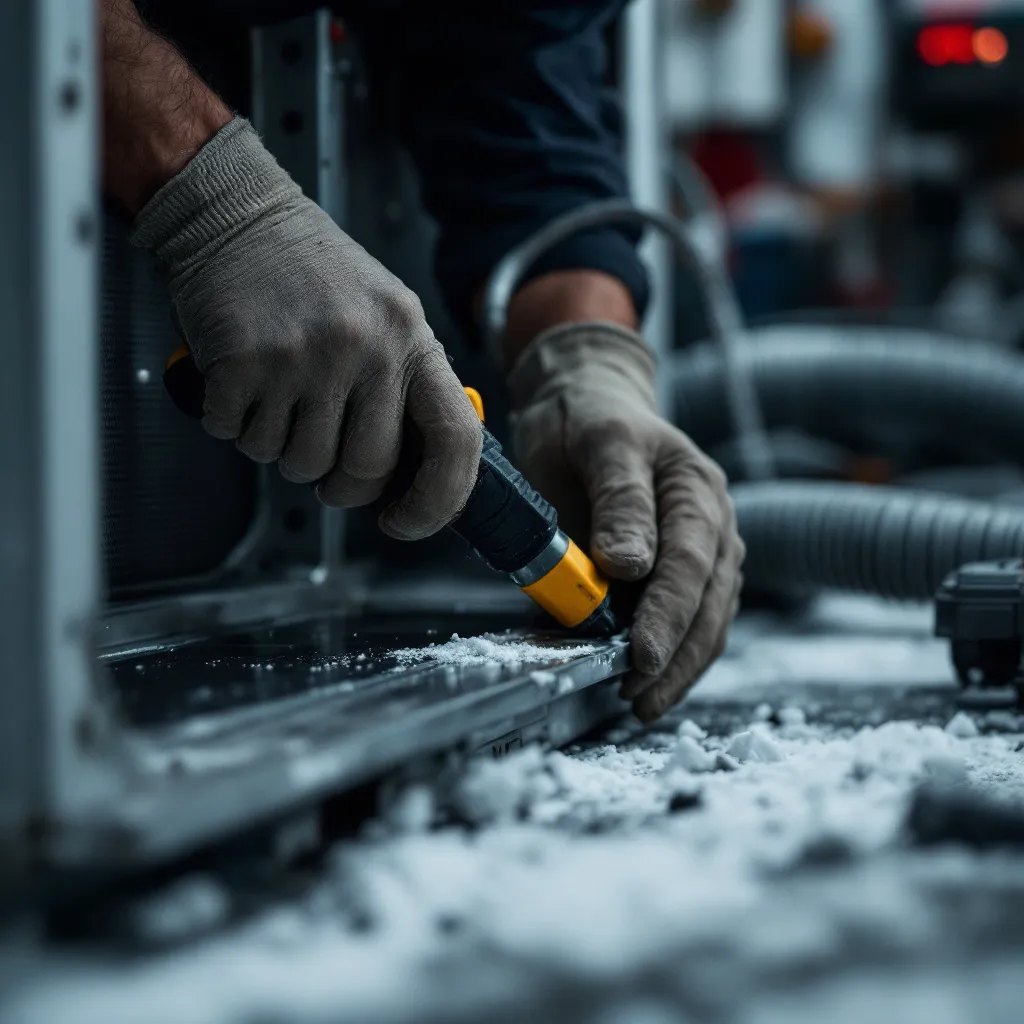
Sealing begins with access. A technician locates the joints, seams, and connections to the equipment, plenums, and register boots, then cleans surfaces so the sealant can bond. The preferred material is mastic, a thick paste brushed over seams, or approved foil-faced tape that is rated for ducts. Ordinary cloth duct tape is not a lasting solution, since heat and age break down its adhesive. Larger gaps may be reinforced with mesh before mastic is applied.
Mechanical connections are just as important as sealant. Flexible ducts should be fastened to collars with clamps or straps, and sections that sag should be supported so they do not kink or restrict airflow. Disconnected runs are reattached, damaged sections are patched or replaced, and insulation is restored afterward. Sealing the connection between the air handler and the main trunk often yields noticeable gains because pressure is highest there.
Some contractors also offer aerosol-based sealing, which seals leaks from the inside of a pressurized system. It can reach spots that are impossible to access by hand, though it works best on small gaps and does not replace repairing large disconnections. After the work, a follow-up leakage test confirms the improvement. Homeowners generally notice steadier room temperatures, quieter operation, and less dust within the first season.
Costs vary widely, so any number is only a rough guide. Replacement is priced by the size of the home, the number of runs, accessibility, duct material, insulation levels, and whether the work includes new registers, returns, or a redesigned layout. A single-story house with open attic access is usually less expensive than a two-story home where ducts must be fed through tight chases. Many full replacements in the region fall into the several-thousand-dollar range, with complex homes costing more.
Partial work is often much cheaper. Replacing one collapsed run, adding a return, or rebuilding a damaged trunk line can solve a specific problem without touching the rest. Sealing and re-insulating existing ducts costs far less than a full change-out, and a good contractor will tell you honestly whether that route is enough. Ask for an itemized written estimate that separates labor, materials, insulation, and any testing.
Replacement tends to make sense when ducts are crushed, water-damaged, infested by rodents, built from deteriorated materials, or clearly undersized for the equipment. It is also worth considering when you install a new system, since correct duct sizing is critical to its performance. Compare at least two proposals, confirm licensing, and ask whether the price includes airflow testing after installation.
Duct cleaning is useful in specific situations, but it is not a routine requirement. It makes sense after a renovation that left heavy construction dust in the system, when there is visible mold growth, after a rodent or insect infestation, or when ducts are clogged with debris that restricts airflow. In those cases, removing contamination can improve air quality and help the system move air properly.
For a typical home with no such problems, the benefits are less certain. Normal dust inside ducts does not necessarily enter living spaces, and cleaning will not fix leaks, poor design, or a dirty filter. In our dusty, dry climate, a better first step is replacing filters on schedule, keeping return grilles clear, and sealing leaks so that unfiltered air is not being drawn in. Those habits keep the system cleaner at lower cost.
If you do hire a cleaner, choose one who uses negative-pressure equipment, protects the system during work, and explains exactly what will be cleaned. Be cautious of sweeping health claims or very low advertised prices. Ask for before-and-after photos, and make sure the cleaning is paired with an inspection, since cleaning without checking for leaks can leave the real efficiency problem unresolved.
For further background on how leaks waste energy and how contractors repair them, see the Duct Sealing fact sheet, which notes that roughly 20 to 30 percent of air moving through a typical duct system is lost to leaks, holes, and poor connections.
Techvac 505 Air Conditioning of Albuquerque provides residential and commercial HVAC services in Albuquerque, including repairs, maintenance For professional help anywhere in Albuquerque, visit hvac in Albuquerque.
☎Call (505) 542-5300 Techvac 505 Air Conditioning of Albuquerque