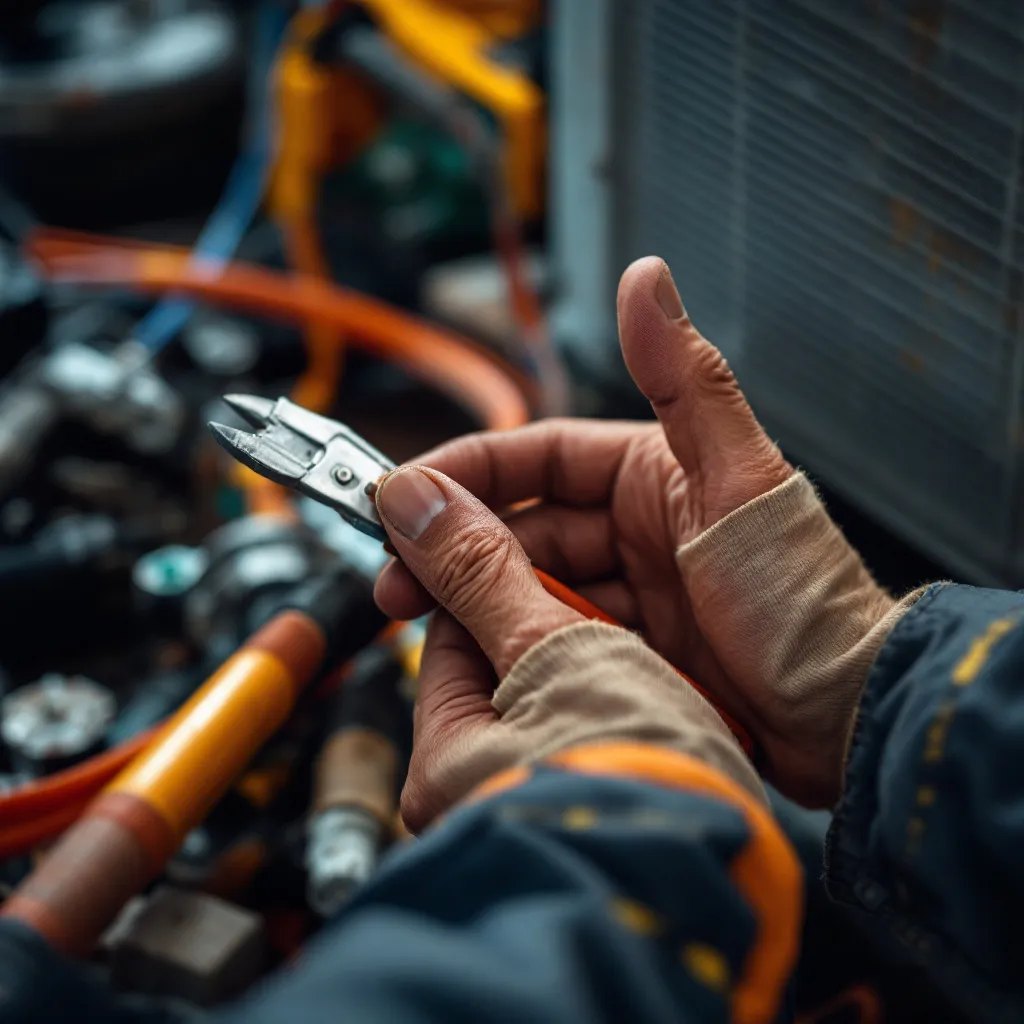
A good Albuquerque HVAC calendar follows the rhythm of the high desert. In spring, prepare the cooling system before the heat arrives. In summer, keep airflow and drainage clear while the system works hardest. In fall, test the heating system before the first cold snap. In winter, watch filters, vents, and combustion safety. Most homes benefit from professional service twice a year, with simple homeowner tasks filling the months between. Dry air, intense sun, wind-blown dust, and elevation all shape what your equipment needs, so a local, season-by-season routine works better than a generic checklist.
The standard recommendation is two professional visits a year: one for cooling in early spring and one for heating in early fall. Each visit focuses on the equipment about to take on its heaviest workload. A spring cooling tune-up typically includes checking refrigerant levels, cleaning the condenser coil, testing capacitors and contactors, measuring airflow, and inspecting the condensate drain. A fall heating visit covers the burner or heat strip, heat exchanger, ignition, flue, thermostat calibration, and carbon monoxide safety.
Homeowners should add their own light checks between those visits. Filters usually need attention every one to three months, depending on the filter type, the number of people and pets in the home, and how much dust is blowing outside. Thermostat batteries, vent clearances, and the area around the outdoor unit deserve a quick look every season.
Some situations call for more frequent service. Homes with evaporative coolers, also called swamp coolers, need their own seasonal startup and shutdown. Heat pumps run in both seasons and benefit from close attention year-round. Older systems, homes near unpaved lots or construction, and households with allergy sufferers may also warrant an extra inspection. Keeping a simple log of dates, filter sizes, and any technician notes makes it easier to spot patterns and catch small problems early.
Spring is the best time to prepare for cooling season, ideally in March or April, before technicians' schedules fill up with the first heat wave. Start outside. Remove leaves, tumbleweeds, cottonwood fluff, and debris from around the condenser, and trim plants back so there are about two feet of clearance on every side. Gently rinse the fins with a garden hose from the inside out if they look dirty, with the power switched off at the disconnect first.
Indoors, replace the filter and check that supply and return vents are open and unblocked by furniture or rugs. Run the system briefly on cool while you are home to confirm it starts, produces cold air at the vents, and does not make grinding, squealing, or rattling noises. Look at the condensate line and the area near the indoor unit for water stains.
Then schedule the professional tune-up. A technician can catch weak capacitors, worn contactors, dirty coils, and low refrigerant, which are all far cheaper to address in April than during a July breakdown. If you use an evaporative cooler, spring is also the time to replace pads, inspect the water pump and float, clean the reservoir, and remove the winter cover.
Albuquerque's spring winds carry fine dust, and the region has a long, intense pollen season, including juniper in winter and early spring, followed by grasses, cottonwood, and weeds later on. These particles collect on filters, evaporator coils, blower wheels, and outdoor condenser coils. As the buildup grows, airflow drops, the system runs longer to reach the set temperature, and energy use rises. Restricted airflow can also cause an evaporator coil to freeze, which leads to weak cooling and water leaks.
Dust also affects indoor comfort. A clogged filter lets more particles circulate, which can aggravate allergies and leave a layer of grit on furniture. Many homeowners find that a pleated filter in the MERV 8 to 11 range balances filtration and airflow. Higher ratings can strain some residential blowers, so ask a technician before upgrading.
In practice, check your filter monthly from March through June and again during dust storms or monsoon season, when winds kick up debris. Keep the outdoor unit clear of cottonwood seeds, which can cake against the coil. Swamp coolers pull in outside air directly, so their pads and water need more frequent cleaning during dusty periods, and mineral buildup from Albuquerque's hard water should be removed each season.
Homeowners can safely handle a handful of tasks. These include changing filters, clearing debris and vegetation from around the outdoor unit, rinsing the condenser fins gently, keeping vents and registers unobstructed, replacing thermostat batteries, and pouring a small amount of diluted vinegar into an accessible condensate drain access to discourage algae. Swamp cooler owners can often replace pads and clean the pan themselves, as long as power and water are shut off first.
Leave anything involving refrigerant, electrical components, gas, or sealed equipment to a licensed technician. That includes checking refrigerant charge, replacing capacitors or contactors, testing a heat exchanger for cracks, adjusting gas pressure, cleaning an evaporator coil inside the air handler, and diagnosing a furnace that will not light. Capacitors can hold a dangerous charge even when the power is off, and gas or carbon monoxide problems are safety issues, not DIY projects.
A useful rule is to stop if a task requires opening a sealed panel, handling wiring, or touching refrigerant lines. Also call a professional if you notice a burning smell, repeated breaker trips, ice on the lines, short cycling, or a sudden rise in your utility bill. Attempting repairs beyond your skill level can void a warranty and turn a small repair into an expensive one.
Summer is about keeping the system running efficiently under heavy load. Check the filter monthly, since a system running most of the day clogs filters faster. Make sure the thermostat is set sensibly; raising it a few degrees while you are away reduces strain without sacrificing comfort. Close blinds on west- and south-facing windows during the afternoon, because Albuquerque's strong sun can add significant heat load.
Watch the outdoor unit after monsoon storms. Heavy wind and rain can deposit debris, shift the pad, or leave standing water and mud around the base. Power surges from lightning can also damage control boards and compressors, so a surge protector installed by a technician is worth considering. If the unit loses power during a storm, wait a few minutes before restarting it to avoid stressing the compressor.
Listen and look for warning signs: warm air from the vents, ice on the refrigerant line, water pooling near the indoor unit, or unusual odors. Refrigerant does not get used up like fuel, so low levels indicate a leak that needs repair. Catching these problems at the first sign is far better than waiting for a complete shutdown during a 98-degree afternoon.
Albuquerque's cold season runs from late fall into early spring, with frequent freezing nights. Schedule the heating inspection in September or October. The technician will inspect the burners, ignition system, heat exchanger, venting, blower motor, and safety controls, and will confirm that the system produces steady heat. If you have a heat pump, they will also check the reversing valve and defrost operation. Test your carbon monoxide and smoke detectors at the same time and replace batteries.
Before the first cold night, run the heat briefly to burn off dust that settled on the elements over the summer; a faint smell for a few minutes is normal, but a persistent burning or rotten-egg smell is not. Replace the filter, and if you have a swamp cooler, drain it, disconnect the water line, clean it, and cover it or seal the vent to stop drafts.
Through winter, keep the filter fresh, keep supply registers clear, and make sure snow or ice does not block the outdoor heat pump or exhaust vents. Seal obvious drafts around doors and windows, and consider a programmable or smart thermostat to lower heating costs overnight. If the furnace cycles on and off rapidly or the house heats unevenly, call a technician before the coldest weeks of January.
Techvac 505 Air Conditioning of Albuquerque provides residential and commercial HVAC services in Albuquerque, including repairs, maintenance For professional help anywhere in Albuquerque, visit hvac services.
☎Call (505) 542-5300 Techvac 505 Air Conditioning of Albuquerque